
Book Overview
Explore the 6th‑edition PDF of Tro’s Chemistry: A Molecular Approach, featuring updated chapters, interactive media links, and global perspective. It serves both AP and college courses, offering clear explanations and real‑world examples. The PDF includes practice problems, concept maps, website.
Title, Edition, and Publisher Details
Chemistry: A Molecular Approach, 6th Edition, is a comprehensive textbook authored by Nivaldo J. Tro and published by Pearson. The full title emphasizes a molecular-level perspective on chemical phenomena, making it suitable for both introductory and advanced chemistry courses. The 6th edition incorporates the latest scientific developments, including updated reaction mechanisms, contemporary data sets, and expanded coverage of green chemistry principles. Pearson’s imprint guarantees rigorous editorial standards and high-quality production values, with a durable hardcover edition available worldwide. Pearson’s distribution network ensures accessibility to academic institutions, libraries, and individual students across North America, Europe, and Asia. In addition to the standard print version, Pearson offers a digital PDF format that preserves the textbook’s interactive features, such as embedded hyperlinks to supplementary online resources, video tutorials, and practice problem sets. The ISBN for the 6th edition is 9780134874371, and the book is listed under Pearson’s “Chemistry” series, which includes companion titles like Mastering Chemistry and interactive media. Pearson’s commitment to educational innovation is evident in the companion website that provides faculty with teaching tools, assessment modules, and downloadable lecture slides. Pearson’s policy permits custom editions tailored to institutional needs, enabling instructors to align textbook content with curriculum objectives. It supports chemistry labs.

Author Background
Nivaldo J. Tro, a professor of chemistry, has authored numerous textbooks. His work emphasizes clear explanations, real‑world examples, and interactive learning. Tro’s background in organic chemistry informs his engaging style. Used in curricula, boost analytical skills now!
Nivaldo J. Tro and His Contributions
Dr. Nivaldo J. Tro, a distinguished professor of chemistry, has shaped modern chemical education through a series of widely adopted textbooks. His most celebrated work, Chemistry: A Molecular Approach, has reached its sixth edition, reflecting continuous updates to align with evolving curricula and scientific discoveries. Tro’s writing style is noted for its clarity, engaging narrative, and emphasis on real‑world applications, making complex concepts accessible to students at all levels. He integrates interactive media, such as online simulations and practice problem sets, to reinforce learning and encourage active participation. Beyond authorship, Tro has contributed to the development of supplementary resources, including Mastering Chemistry modules, which provide adaptive practice and instant feedback. His research interests span organic and physical chemistry, and he has published peer‑reviewed articles that influence both teaching methods and laboratory practices. Tro’s dedication to education is evident in his mentorship of graduate students and his involvement in curriculum committees that shape institutional standards. The PDF version of his textbook, widely circulated in academic circles, offers a convenient, portable format for students and educators alike, facilitating access to up‑to‑date content and fostering collaborative study environments. Tro’s influence extends internationally, with translations and global editions adapted for diverse educational contexts. His commitment to open, inclusive learning resources has made his work a staple in chemistry departments worldwide, inspiring new generations of scientists and educators. His pedagogical approach emphasizes inquiry‑based learning, encouraging students to formulate hypotheses and test them through guided experiments. His influence inspires educators to innovate and engage students worldwide.
Edition History
First edition released 2004, followed by 2nd (2006), 3rd (2008), 4th (2010), 5th Global (2012), 6th AP (2014). Custom editions appear for specific colleges, offering tailored content and updated labs. New chapters cover nanotech and sustainability, mirroring current research.
Global Edition: 6th edition features worldwide case studies, an updated periodic table, and expanded green‑chemistry content. AP Edition: 6th edition is tailored for Advanced Placement, with exam‑style problems, concise explanations, and a dedicated AP practice test. Custom Editions: institutions such as Grossmont College produce a 3rd Custom Edition, including institution‑specific labs, local data sets, and instructor‑edited content. All PDFs link to Mastering Chemistry interactive modules, downloadable worksheets, and video tutorials. PDFs maintain consistent formatting, unified cover design, chapter numbering, and reference style. Each edition updates core text to reflect recent discoveries in molecular spectroscopy, computational chemistry, and materials science. The Global edition’s chapter on polymers adds new sections on biodegradable plastics; the AP edition adds a quantum‑mechanics chapter with AP‑aligned problem sets. Custom editions incorporate local industry case studies, providing real‑world context. PDF files are compressed to reduce download size while preserving high‑resolution images and interactive elements. Users can annotate directly, bookmark sections, and export notes. The Global edition’s supplementary workbook includes 200 practice problems with solutions; the AP edition’s workbook focuses on 150 AP‑style questions. Custom editions often include a faculty guide with suggested lecture plans and assessment rubrics. All editions are released under a standard copyright, requiring purchase or institutional license for redistribution. Many universities host the PDFs on their learning management systems, providing free access to enrolled students. The publisher offers a digital subscription that includes updates to the PDF, ensuring students always have the latest content; The Global, AP, and Custom editions coexist, allowing educators to choose the version that best fits their curriculum while maintaining a consistent core text across all platforms. These editions also provide access to an online forum where students can discuss concepts, share solutions, and collaborate on group projects, fostering a community of inquiry that extends beyond the classroom and enhances the learning experience. encourages critical thinking through problem‑solving challenges!

PDF Availability
Official PDFs are sold via publisher sites and Amazon. Unofficial copies circulate on forums, Reddit, and file‑sharing sites. Some libraries host the PDF for student use. Download links often require login or a purchase code. Academic institutions provide access; independent students use open‑access repositories or paid downloads. Verify source before downloading PDF
Official and Unofficial Sources
Official copies of Chemistry: A Molecular Approach PDFs are distributed through the publisher’s website, Amazon, and the university’s e‑learning portals. These channels provide secure, licensed downloads that include the latest edition, supplementary interactive media, and errata updates. Unofficial sources, such as peer‑to‑peer file‑sharing networks, Reddit threads, and academic forums, often host older editions or compressed versions. While these sites offer quick access, they typically lack the integrated multimedia features and may contain formatting errors or missing chapters. Libraries, through inter‑library loan or digital repositories, also offer legitimate PDF access for students and faculty. When obtaining a PDF, it is essential to verify the file’s integrity by checking the checksum or comparing the title page to the publisher’s version. Additionally, many educational institutions provide institutional access codes that grant students and instructors legal download rights, ensuring compliance with copyright law. Users should remain cautious of sites that request payment for “free” PDFs, as these may be phishing attempts or host malware. By choosing reputable official channels or verified library links, readers can safely access the full, up‑to‑date content of Chemistry: A Molecular Approach while respecting intellectual property rights. Download responsibly and cite the source in any academic work to honor the author’s effort and maintain integrity in scientific education. Thanks

Copyright and Licensing
Copyright remains with Pearson; PDFs are licensed for academic use only. Unauthorized distribution violates law. Students may access through institutional e‑library or purchase. Re‑sharing or commercial use is prohibited. Always cite the source. Download only via channels avoid infringement.!
Legal Status of PDF Downloads
Downloading the PDF of Chemistry: A Molecular Approach without authorization is a violation of copyright law. The text is protected under U.S. and international statutes, and the publisher, Pearson, retains exclusive distribution rights. Academic institutions may obtain licenses that allow students to access the material through official e‑learning platforms or library subscriptions. These licenses typically restrict use to non‑commercial, educational purposes and prohibit redistribution. When a PDF is shared on forums, Reddit, or file‑sharing sites, it is considered an infringement unless the publisher explicitly permits such distribution. Legal consequences can include civil penalties, takedown notices, and potential lawsuits. Students and educators should verify that any downloaded copy is obtained through legitimate channels, such as the publisher’s website, authorized distributors, or institutional access. If the material is needed for coursework, the safest approach is to purchase the book or use the library’s digital lending service. Unauthorized copies undermine the authors’ and publisher’s rights and can jeopardize academic integrity. Therefore, always ensure compliance with copyright regulations before accessing or distributing the PDF. Students should also consult the publisher’s licensing terms to confirm permissible use. In addition, many universities provide access through their digital libraries, ensuring that students receive the latest edition without violating copyright. Moreover, the publisher offers a free, limited‑time preview that allows prospective students to evaluate the content before committing to a purchase, thereby supporting informed decision‑making. Enjoy responsibly!Ok

Academic Use
Students use the PDF for lectures, labs, and assignments. Instructors cite chapters, integrate problem sets, and link interactive media. The text supports AP and college curricula, offering clear explanations and real‑world examples. Use it for group projects and exam prep.
Integration in College Chemistry Courses
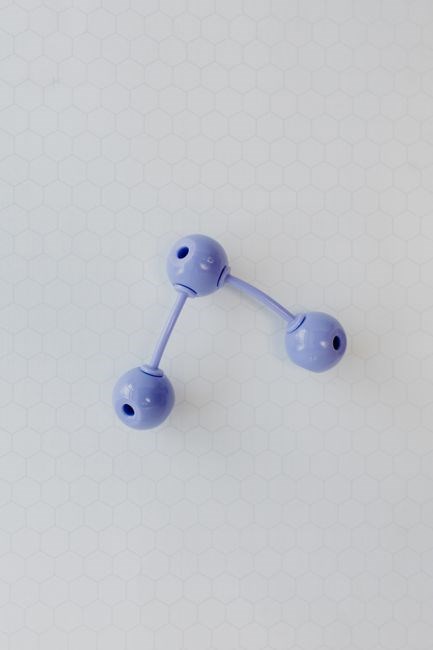
Instructors frequently embed the PDF of Chemistry: A Molecular Approach into syllabi, leveraging its modular chapters for lecture slides, lab manuals, and assessment tools. The text’s emphasis on molecular reasoning aligns with core concepts in general chemistry, organic, and physical chemistry courses. Professors use the PDF’s interactive media links to supplement in‑class demonstrations, allowing students to visualize molecular orbitals, reaction mechanisms, and thermodynamic data. Many universities adopt the 6th‑edition PDF as the primary textbook for introductory courses, citing its clear explanations, problem sets, and real‑world applications. The PDF’s built‑in practice problems, with solutions, serve as formative assessments, while the accompanying Mastering Chemistry platform offers adaptive quizzes that track student progress. In advanced courses, the PDF’s chapters on spectroscopy, kinetics, and equilibrium are referenced for laboratory reports and research projects. Faculty often customize the PDF by highlighting key sections, adding instructor notes, and integrating external datasets. The PDF’s open‑access format reduces textbook costs, enabling institutions to allocate resources to laboratory equipment and software licenses. Student groups use the PDF for collaborative study sessions, creating flashcards from the glossary and summarizing key equations. Overall, the PDF’s comprehensive coverage and multimedia support make it a versatile resource for both lecture and laboratory settings, fostering deeper conceptual understanding and active learning. Students also use the PDF’s case studies in projects, linking chemistry with biology, environmental science, and engineering, which boosts critical thinking and problem‑solving skills in real contexts today!!!!

User Communities
Students and educators share PDF links on Reddit, forums, and study groups. Discussions cover chapter insights, problem solutions, and resource links. Community drives collaborative learning and updates on legal access. Members also exchange annotated PDFs, create flashcardsand organize sessions.
Reddit, Forums, and Study Groups
On r/chemistry, users post links to the 6th‑edition PDF, discuss chapter nuances, and request clarifications. Dedicated forums on CollegeBoard and Chegg host threads where students compare AP and Global editions, share annotated PDFs, and coordinate group study sessions. Study‑group Discord servers provide real‑time problem‑solving, peer tutoring, and live Q&A with instructors. Members often exchange flashcards, practice quizzes, and supplemental videos. Some groups curate a shared Google Drive with annotated PDFs, highlighting key equations and concept maps. These communities also track copyright status, encouraging legal downloads and offering guidance on institutional access. By collaborating, students deepen understanding, create peer‑reviewed notes, and collectively navigate challenging topics such as quantum chemistry and thermodynamics.
These gatherings promote cross‑disciplinary dialogue and spark advanced research ideas! The collaborative environment also fosters peer mentorship, where advanced students guide newcomers through complex derivations and experimental design. Weekly virtual office hours on Zoom or Teams supplement the forum discussions, offering live problem‑solving sessions. Some institutions host annual symposiums where participants present poster projects derived from the textbook, encouraging interdisciplinary connections between chemistry, physics, and biology. The communities frequently update shared resources, including updated PDF versions, supplementary worksheets, and interactive quizzes. This dynamic ecosystem ensures that learners remain engaged, receive timely feedback, and develop a deeper appreciation for the molecular foundations of science.

Supplementary Resources
Mastering Chemistry offers interactive modules, quizzes, and lab simulations that complement the PDF. Study guides provide concise summaries, practice problems, and concept maps for quick revision. These tools enhance understanding. Use them daily for mastery.and share!?.
Mastering Chemistry, Interactive Media, and Study Guides
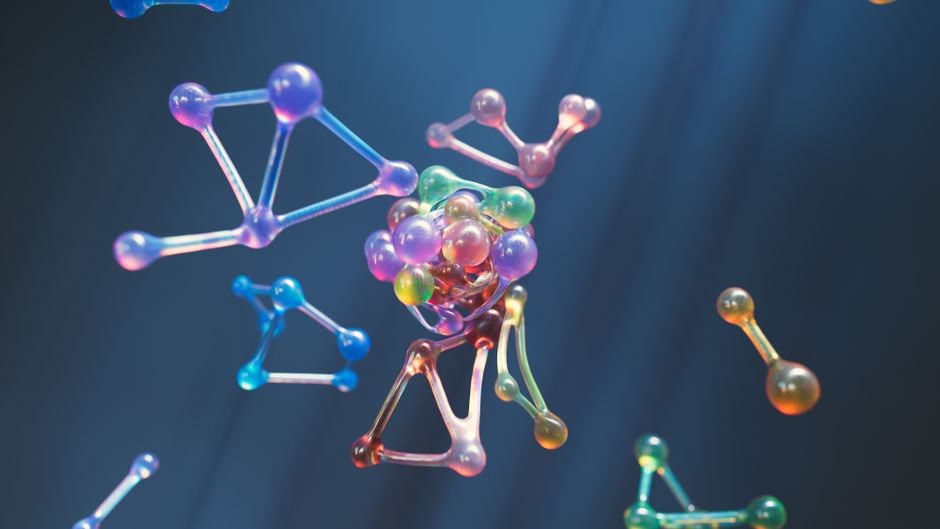
Mastering Chemistry, the companion digital platform to Chemistry: A Molecular Approach, delivers a suite of interactive tools that align with the PDF’s chapters. Students can access animated 3D molecular models, drag‑and‑drop reaction mechanisms, and real‑time quizzes that provide instant feedback. The platform’s adaptive learning engine tracks progress, identifies conceptual gaps, and recommends targeted practice sets. Study guides, available in PDF and web formats, distill each chapter’s core concepts into concise summaries, key equations, and illustrative diagrams. They also include end‑of‑chapter problem sets with step‑by‑step solutions, allowing learners to test comprehension before moving on. For instructors, the platform offers downloadable assessment templates, grading rubrics, and analytics dashboards that reveal class performance trends. Integration with the textbook’s hyperlinks ensures seamless navigation between the printed PDF and the digital resources. By combining visual, auditory, and kinesthetic learning modalities, Mastering Chemistry enhances retention and encourages active engagement with complex chemical phenomena. Students who supplement their reading with interactive simulations often report a deeper grasp of reaction kinetics, molecular geometry, and thermodynamic principles, which translates into higher exam scores and a stronger foundation for coursework. This resource is available learners worldwide!
Leave a Reply
You must be logged in to post a comment.