Printable Bodyweight Workout Plan PDF: A Comprehensive Guide
Discover a convenient path to fitness with a printable bodyweight workout plan PDF! These guides offer structured routines, requiring no gym access or equipment—perfect for home training.
Access beginner to advanced programs, often including 7-day or 12-week schedules, focusing on strength, cardio, and flexibility, all readily available for download.
What is Bodyweight Training?
Bodyweight training, at its core, utilizes your own body weight as the primary resistance for exercise. This method eliminates the need for dumbbells, machines, or external weights, making it incredibly accessible and versatile. It’s a fundamental approach to fitness, building strength, endurance, and flexibility using movements like push-ups, squats, lunges, and planks.
Unlike traditional weightlifting, bodyweight exercises often engage multiple muscle groups simultaneously, promoting functional strength – the kind of strength used in everyday activities. This training style is incredibly adaptable; exercises can be modified to suit various fitness levels, from beginners to advanced athletes.
The beauty of bodyweight training lies in its convenience. You can perform workouts virtually anywhere, anytime, without the constraints of a gym. This makes it an ideal solution for those with busy schedules or limited access to fitness facilities. It’s a cornerstone of many printable bodyweight workout plan PDFs, offering a practical and effective path to achieving fitness goals.

Benefits of Bodyweight Workouts
Bodyweight workouts offer a wealth of advantages, making them a cornerstone of many printable bodyweight workout plan PDFs. A primary benefit is accessibility – no expensive gym memberships or equipment are required, making fitness attainable for everyone. This convenience fosters consistency, a key factor in achieving results.
Furthermore, these workouts enhance functional strength, improving performance in daily activities. They build core stability, crucial for posture and injury prevention. Bodyweight training also boosts cardiovascular health and endurance, contributing to overall well-being.
The adaptability of bodyweight exercises is another significant advantage. Workouts can be easily scaled to match individual fitness levels, from beginner modifications to advanced progressions. This versatility ensures continuous challenge and prevents plateaus. Plus, they’re perfect for completing during travel or times when gym access is limited, as highlighted in many downloadable plans.
Essential Equipment (Minimalist Approach)
The beauty of most printable bodyweight workout plan PDFs lies in their minimalist equipment requirements. Truly, your body is the primary tool! However, a few inexpensive items can significantly enhance your training and progression.

A sturdy chair is often utilized for exercises like incline push-ups or Bulgarian split squats, adding variation and intensity. A towel can aid in stretching or serve as a makeshift grip enhancer. A jump rope is a fantastic, low-impact cardio addition, frequently included in circuit-style routines.
For those seeking advanced options, a pull-up bar unlocks a vast range of upper body exercises. While not strictly essential, it dramatically expands workout possibilities. Some plans suggest using household items like canned goods or books as light weights, demonstrating resourcefulness. Ultimately, the focus remains on leveraging your own bodyweight, keeping equipment needs minimal and accessible.
Understanding Workout Structure & Sets/Reps
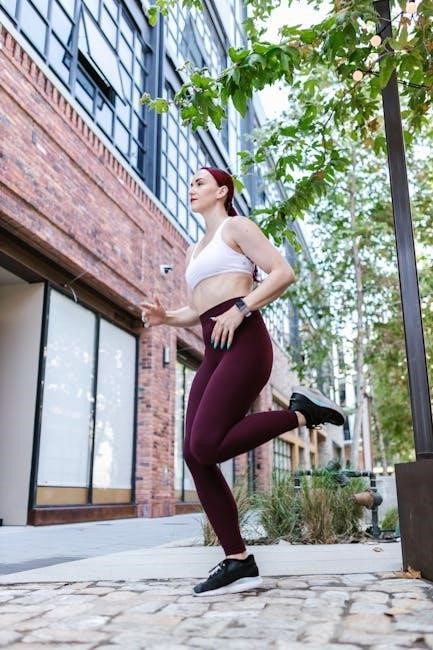
Most printable bodyweight workout plan PDFs structure routines around sets and repetitions (reps). A ‘set’ represents a group of consecutive reps, followed by a rest period. For example, three sets of ten push-ups mean performing ten push-ups, resting, then repeating twice more.
Beginner plans often recommend 2-3 sets of 8-12 reps, focusing on proper form over sheer volume. As you progress, you can increase sets to 3-4 and reps to 15-20, or explore more challenging variations. Circuit training, common in these plans, involves performing a series of exercises consecutively with minimal rest.
Rest periods are crucial for recovery. Typically, 60-90 seconds between sets is recommended for strength-focused exercises, while shorter rests (30-60 seconds) suit cardio or endurance work. Understanding these principles allows you to tailor the plan to your fitness level and goals, maximizing effectiveness.
7-Day Beginner Bodyweight Workout Plan
Embark on a transformative fitness journey with this 7-day plan! It’s designed for beginners, utilizing only your bodyweight for effective, accessible workouts at home.
Day 1: Full Body Strength
Welcome to your first day! This workout focuses on building a foundation of strength across all major muscle groups. Begin with a warm-up of 5 minutes of light cardio, such as jogging in place or jumping jacks, followed by dynamic stretching like arm circles and leg swings.
Perform 3 sets of the following exercises, with 60 seconds rest between sets:
- Squats: 10-12 repetitions – Focus on maintaining good form, keeping your back straight and core engaged.
- Push-ups: As many repetitions as possible (AMRAP) – Modify on your knees if needed.
- Lunges: 10-12 repetitions per leg – Step forward, lowering your body until both knees are bent at 90 degrees.
- Plank: Hold for 30-60 seconds – Maintain a straight line from head to heels, engaging your core.
- Glute Bridges: 15-20 repetitions – Lie on your back with knees bent and lift your hips off the ground.
Cool down with 5 minutes of static stretching, holding each stretch for 30 seconds. Remember to listen to your body and adjust the intensity as needed. Hydrate well before, during, and after your workout!
Day 2: Upper Body Focus
Today’s session targets your chest, back, shoulders, and arms. Begin with a 5-minute warm-up, including arm circles, shoulder rotations, and wrist stretches. Dynamic stretching prepares muscles for exertion, reducing injury risk.
Complete 3 sets of each exercise, resting for 60 seconds between sets:
- Push-ups: AMRAP (As Many Reps As Possible) – Vary hand placement (wide, narrow) for different muscle emphasis.
- Incline Push-ups: 10-12 repetitions – Use a chair or elevated surface to reduce intensity.
- Pike Push-ups: 8-10 repetitions – Targets shoulders; form a triangle with your body.
- Tricep Dips: 10-12 repetitions – Utilize a chair or stable surface for support.
- Plank to Push-up: 8-10 repetitions – Combines core stability with upper body strength.
Finish with a 5-minute cool-down, holding static stretches for your chest, shoulders, and triceps. Proper form is crucial; prioritize quality over quantity; Stay hydrated throughout the day to support muscle recovery.
Day 3: Lower Body & Core
Focus on strengthening your legs, glutes, and core with this targeted workout. Begin with a 5-minute warm-up, including leg swings, hip circles, and torso twists. Prepare your muscles for the demands ahead, enhancing performance and minimizing strain.
Perform 3 sets of each exercise, with 60 seconds rest between sets:
- Squats: 15-20 repetitions – Maintain a straight back and controlled descent.
- Lunges: 10-12 repetitions per leg – Step forward, keeping your front knee over your ankle.
- Glute Bridges: 15-20 repetitions – Squeeze your glutes at the top of the movement.
- Calf Raises: 20-25 repetitions – Elevate onto your toes, feeling the stretch in your calves.
- Plank: Hold for 30-60 seconds – Maintain a straight line from head to heels.
- Crunches: 15-20 repetitions – Engage your core and lift your shoulders off the ground.
Conclude with a 5-minute cool-down, holding stretches for your quads, hamstrings, and calves. Remember to breathe deeply and maintain proper form throughout each exercise.

Day 4: Active Recovery & Mobility
Prioritize recovery and enhance flexibility with an active recovery day. This isn’t about complete rest, but gentle movement to promote blood flow and reduce muscle soreness. Begin with 5-10 minutes of light cardio, such as walking or jogging in place, to increase circulation.
Focus on dynamic stretching and mobility exercises:
- Arm Circles: 20 repetitions forward and backward – Improve shoulder mobility.
- Leg Swings: 15 repetitions per leg – Enhance hip flexibility.
- Torso Twists: 20 repetitions – Increase spinal mobility.
- Cat-Cow Stretch: 10 repetitions – Improve spinal flexibility and core engagement.
- Hip Flexor Stretch: Hold for 30 seconds per side – Release tension in the hip flexors.
- Foam Rolling: 5 minutes on major muscle groups – Reduce muscle tightness.
End with 5 minutes of mindful breathing or gentle yoga poses. Active recovery is crucial for preventing injuries and optimizing performance, allowing your body to rebuild and prepare for future workouts.
Day 5: Full Body Circuit
Challenge your entire body with a dynamic full-body circuit! This workout combines strength and cardio for an efficient and effective session. Perform each exercise for 45 seconds, followed by 15 seconds of rest. Complete 3-4 rounds of the entire circuit, with a 60-second rest between rounds.
The Circuit:
- Squats: Engage your core and lower your hips as if sitting in a chair.
- Push-ups: Modify on your knees if needed, maintaining a straight line from head to heels.
- Lunges: Alternate legs, keeping your front knee over your ankle.
- Plank: Hold a straight line from head to heels, engaging your core.
- Burpees: Combine a squat, push-up, and jump for a full-body blast.
- Mountain Climbers: Drive your knees towards your chest in a running motion.
Focus on maintaining proper form throughout each exercise. This circuit is designed to elevate your heart rate and build strength simultaneously, providing a comprehensive workout in a short amount of time.

Day 6: Cardio & Core
Elevate your heart rate and strengthen your midsection with a dedicated cardio and core workout! Begin with a 10-minute cardio warm-up, such as jumping jacks, high knees, or jump rope. Follow this with a core-focused circuit, performing each exercise for the specified repetitions.
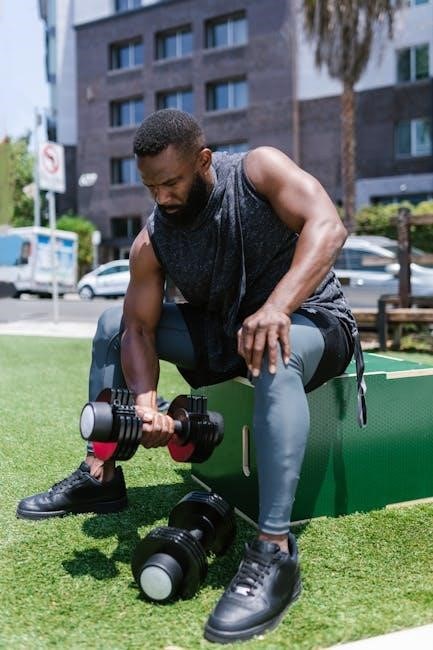
The Workout:
- Jumping Jacks: 3 sets of 20 repetitions.
- High Knees: 3 sets of 30 seconds.
- Crunches: 3 sets of 15-20 repetitions.
- Russian Twists: 3 sets of 15-20 repetitions per side.
- Plank: 3 sets, holding for 30-60 seconds.
- Leg Raises: 3 sets of 15-20 repetitions.
Remember to engage your core throughout all exercises. This combination of cardio and core work will improve your cardiovascular health, strengthen your abdominal muscles, and enhance overall stability. Cool down with 5-10 minutes of stretching.
Day 7: Rest & Recovery
Prioritize your body’s repair and rejuvenation with a dedicated rest and recovery day. After six consecutive days of training, allowing your muscles to recover is crucial for preventing injury and maximizing results. Active recovery is encouraged, but avoid strenuous activity.
Focus on:
- Light Stretching: Gentle stretches targeting major muscle groups.
- Foam Rolling: Release muscle tension and improve flexibility.
- Hydration: Drink plenty of water to aid recovery.
- Nutrition: Consume a balanced diet rich in protein and nutrients.
- Sleep: Aim for 7-9 hours of quality sleep.
Consider a leisurely walk or yoga session for active recovery. This isn’t a day to push yourself; it’s a day to listen to your body and allow it to rebuild. Proper rest is as important as the workouts themselves, ensuring long-term progress and well-being.
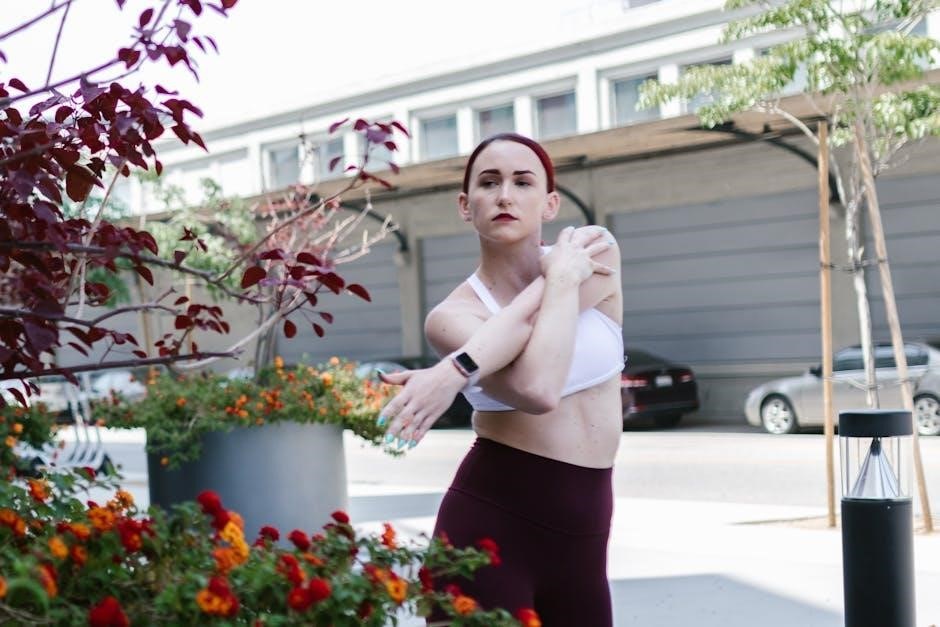
Intermediate/Advanced Considerations
Elevate your fitness with pull-up bars and progressive overload! Explore 12-week programs, increasing intensity and complexity for continued gains and optimal results.
Incorporating Pull-Up Bars
Pull-up bars dramatically expand the possibilities within a bodyweight routine, unlocking exercises inaccessible otherwise. They are a cornerstone for developing upper body strength, particularly targeting the back, biceps, and forearms. Many printable workout plans, especially those geared towards intermediate and advanced fitness levels, integrate pull-ups and their variations.
Consider incorporating assisted pull-ups using resistance bands if you’re initially unable to perform unassisted repetitions. Variations like chin-ups (palms facing you) and wide-grip pull-ups target different muscle groups, adding diversity to your training.
Look for PDF resources that demonstrate proper form to prevent injury. A solid program will often include progressions, starting with negatives (slowly lowering yourself from the top position) and building towards full pull-ups. Remember to prioritize controlled movements over sheer quantity. Utilizing a pull-up bar transforms a basic bodyweight workout into a comprehensive upper-body challenge.
Progressive Overload Techniques
Progressive overload is crucial for continued progress in any fitness regimen, including bodyweight training. Since you aren’t adding external weight, you must increase the challenge in other ways. Printable workout PDFs often outline strategies for achieving this, preventing plateaus and maximizing results.
Techniques include increasing repetitions, sets, or reducing rest time between sets. Modifying exercises to increase difficulty – for example, progressing from knee push-ups to standard push-ups – is another effective method. Explore slowing down the eccentric (lowering) phase of movements to increase time under tension.
Consider incorporating more challenging variations of exercises, like pistol squats instead of regular squats. Focus on improving form and control before increasing volume. A well-designed PDF will provide a structured approach to progressively overloading your muscles, ensuring consistent gains and preventing overtraining.
Sample 12-Week Program Outline
A typical 12-week bodyweight program, often found in printable PDF formats, is structured to build strength and endurance gradually. Weeks 1-4 often focus on foundational movements and establishing proper form, with 3 workouts per week. These sessions might include squats, push-ups, lunges, and planks.
Weeks 5-8 introduce more challenging variations and increase volume. Expect to see exercises like incline push-ups, Bulgarian split squats, and core work with progressions. The frequency remains at three sessions weekly, but intensity increases.
Finally, weeks 9-12 emphasize advanced techniques and consolidation. This phase might incorporate plyometrics, single-leg exercises, and more complex routines. Many PDFs suggest incorporating active recovery days and prioritizing consistent effort throughout the 12 weeks for optimal results. Remember to listen to your body and adjust as needed!
Finding Printable PDF Resources
Numerous online platforms offer free and premium printable bodyweight workout plan PDFs. A simple web search using keywords like “bodyweight workout PDF,” “home workout plan printable,” or “12-week bodyweight program” yields many results. Fitness websites, blogs, and even platforms like Reddit’s r/bodyweightfitness often host downloadable resources.
Look for PDFs that clearly outline exercises, sets, reps, and rest periods. Consider your fitness level when selecting a plan – beginner, intermediate, or advanced. Ensure the PDF is well-structured and easy to follow, with clear instructions and potentially visual aids.
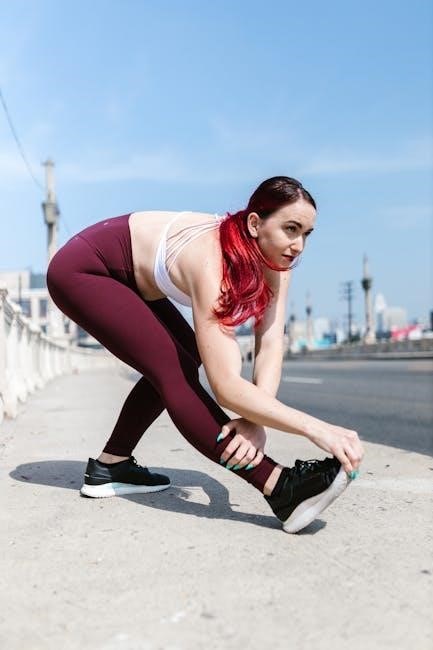
Be cautious of resources with unrealistic promises or overly complex routines. Prioritize plans from reputable sources and always consult a healthcare professional before starting any new workout program. Downloading and printing allows for convenient access during your workouts!